
Koreaboo
Resources to shape your experience seeing Koreaboo by Michelle Lim Davidson.


Koreaboo is a story about an Korean adoptee seeking to forge a connection with her birth mother.
But what does that mean?
Read on to learn more about the history of adoption from Korea, hear from the perspective of inter-country adoptees and find additional resources. Use the contents link below to navigate straight to the section you want to see.
NAVIGATE
Adoption & Korea
Read
Watch & Listen
Organisations
Support Services


This play was inspired by my life, but it's not a documentary. It's imagined from reality. With the support of my families in both Australia and Korea, I've written it from the inside out.
Michelle Lim Davidson

Adoption & Korea
The international adoption of South Korean children started around 1953, primarily to care for orphans resulting from the Korean War. It quickly expanded to include other orphaned and vulnerable children, with the USA, Australia, and Western European nations playing a key role. While initially viewed as a humanitarian effort, it evolved into a significant global phenomenon, with South Korea becoming a major source of adopted children for Western countries.
From the 1970s through the 2000s, thousands of children were adopted overseas every year.
"This play is an invitation into a particular lived experience."
Approximately 200,000 South Korean children have been sent overseas for adoption into primarily white families.
150,000 to the USA and 50,000 to Canada, Europe, and Australia.
In Europe, Korean children have been adopted by families in such countries as Switzerland, Sweden, Norway, Denmark, France, Germany, and Luxembourg.
Approximately 3,500 children have been adopted to Australia.
Roughly 3,000-5,000 adult Korean adoptees return to Korea each year and there are an estimated 200 living in Korea for extended periods of time. According to Eleana Kim1, while adoptees often desire to ‘fit in’ and suppress racial differences in their adoptive countries, they often face discrimination or rejection in Korea due to their Korean appearance but lack of Korean language skills and cultural knowledge.


Below are a range of web pages, articles, videos and podcasts that focus on the history of Korean adoption, the impacts felt by Korean adoptees and some of the gaps that have appeared when adoptees begin the journey of connecting with their birth families.
Everyone thinks that finding each other is the happy ending but nobody tells you how to live afterwards.
Hannah, Koreaboo
Read

KAIAN
History of Korean Adoption
SBS Voices
3 Things I Wish People Didn't Say to Me About Being Adopted
"I’m the same but I’m not"
Law Society of NSW Journal
Left in the dark: examining Australian adoptions from South Korea
Melbourne Asia Review
Korean Transnational Adoption to Australia: ‘quiet’ migrants, diaspora, and ‘hometactics’

Watch & Listen
Vice Asia
These Korean Adoptees Are Returning to Their Birth Country, to Stay
Adopted Feels
Inside the Brain of an Adoption Therapist
"For a long time, I believed my adoption was an isolated event, a private twist of fate."
First Person Plural
A film by Deann Borshay Liem
First Person Plural follows the story of an 8-year old girl who is adopted by an American family, only to discover years later that she has a birth family in Korea. The film explores themes of race, identity, assimilation and birth family reunion.

Organisations

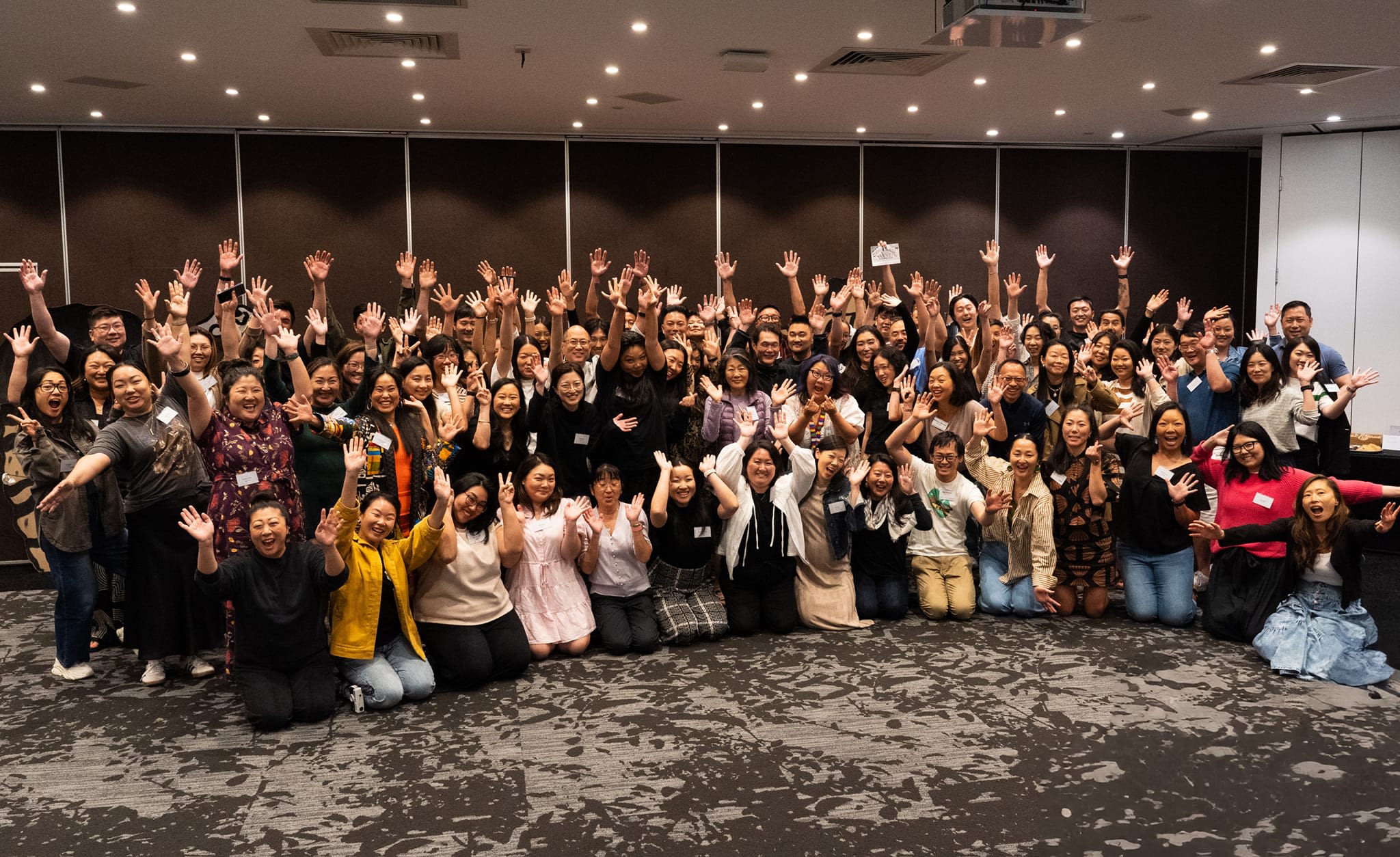
Korean Adoptees in Australian Network (KAIAN)
KAIAN website
International Korean Adoptee Associations (IKAA)
IKAA website
Global Overseas Adoptees' Link (GOAL)
GOAL is KAIAN's recommendation for proactive birth family search services in Korea
GOAL website
InterCountry Adoptee Voices (ICAV)
ICAV website

Support Services
If the content on this website or in Koreaboo have affected you or someone you know, don't hesitate to seek support.
Intercountry Adoptee and Family Support Service (ICAFSS)
ICAFSS website
1800 422 377
Beyond Blue
Beyond Blue website
1300 22 4636
The Benevolent Society
The Benevolent Society website
1800 236 762
Relationships Australia
Relationships Australia NSW website
1300 364 277

Years ago, I went looking for someone who looked like me. Now I offer this story back, hoping someone else might feel a little less alone.
Michelle Lim Davidson


References
1 Kim, E. (2009). The Origins of Korean Adoption: Cold War Geopolitics and Intimate Diplomacy.
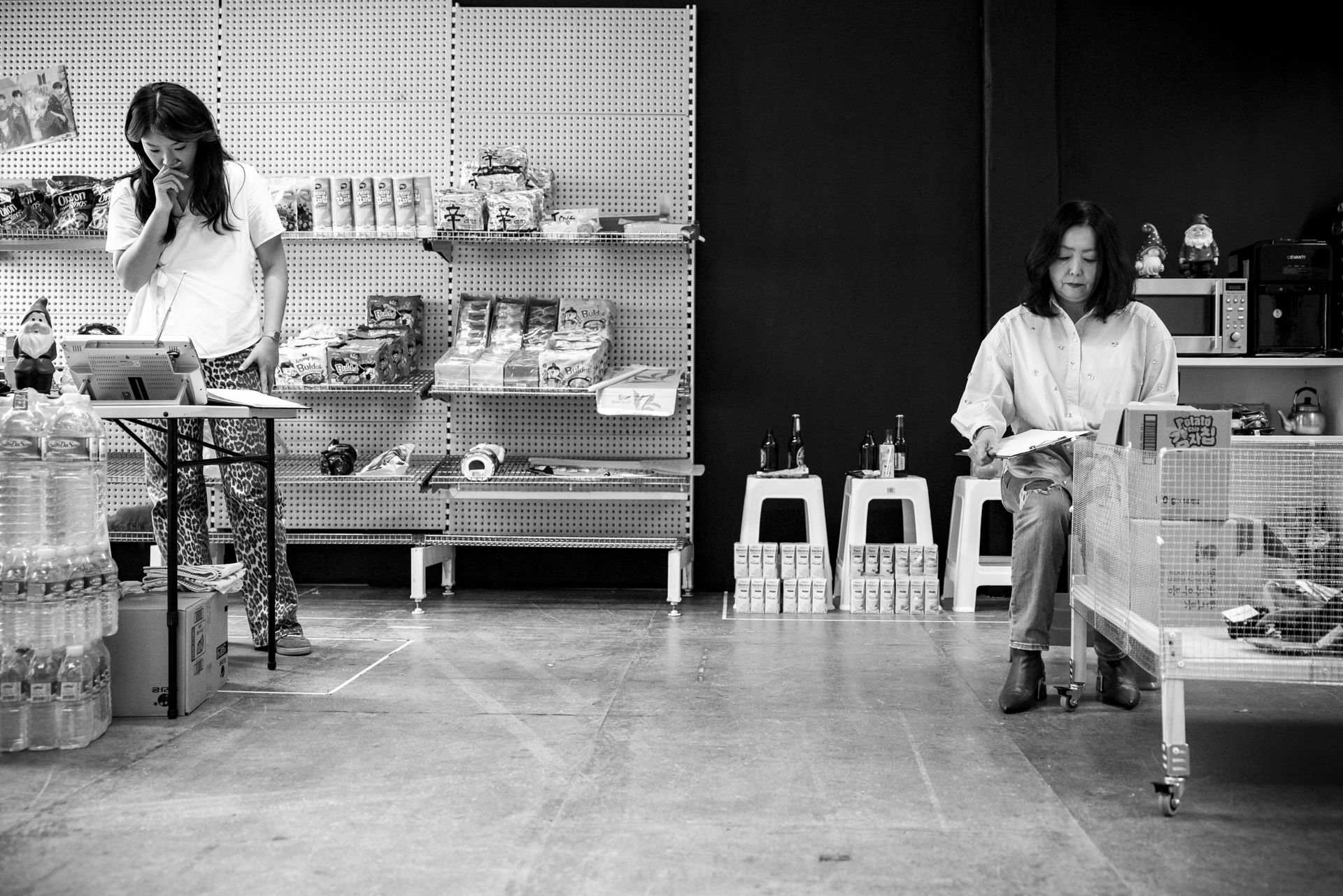
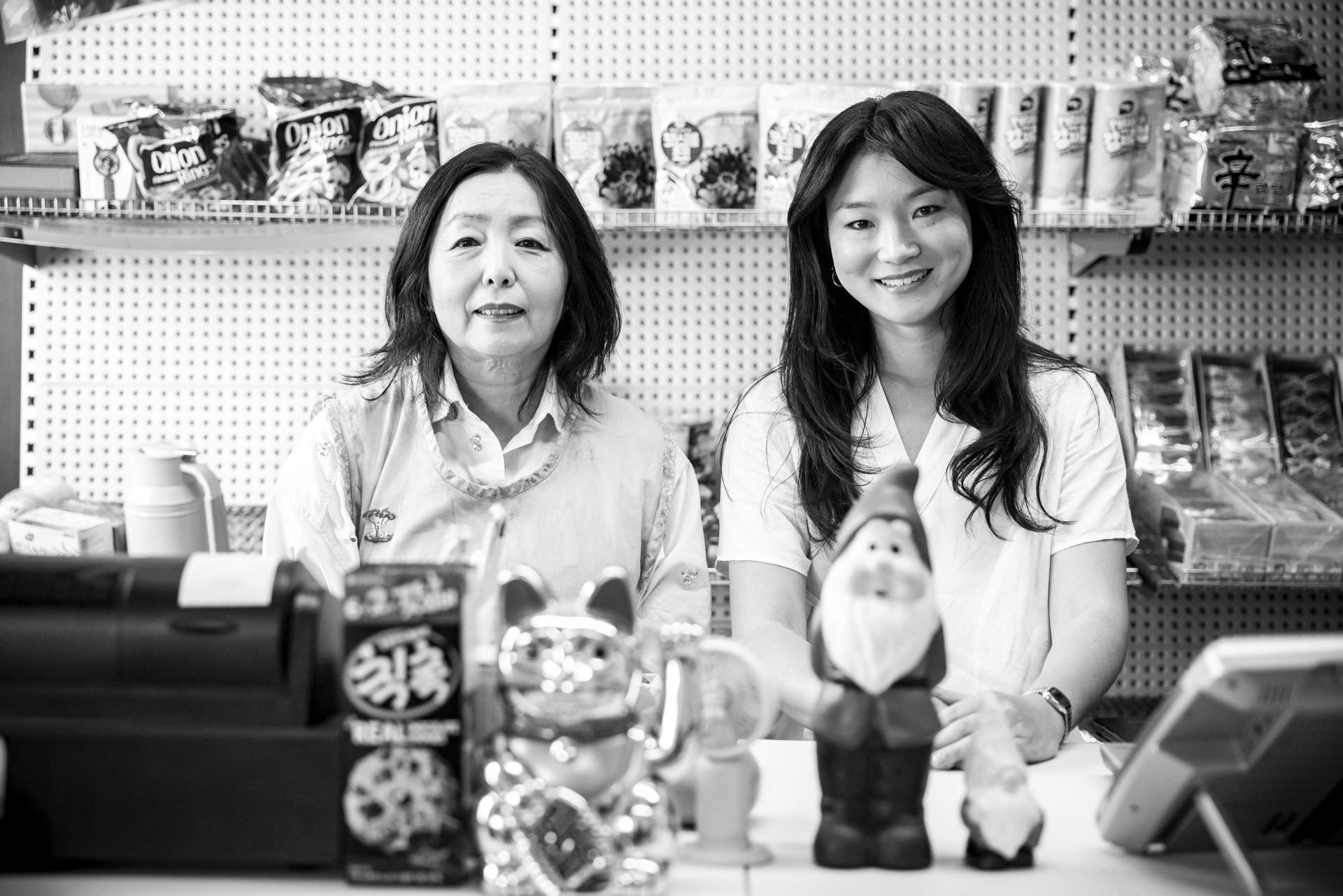
Rehearsal images by Brett Boardman. Marketing image by David Boon. All other images courtesy of KAIAN.


 Built with Shorthand